
When sewer lines back up: storms, thaws and slow builds
Sewer backups tend to arrive in three ways. The first is the slow build: a drain that gurgles for weeks, then fails on the day you run laundry and a dishwasher together. The second is a storm, when heavy rain pushes water into the system faster than it can leave.
The third is the thaw. After a hard winter, shifted soil and loosened roots can leave a pipe misaligned or partly blocked, and the problem shows up in spring. Each pattern points to a different fix, which is why the first thing we ask is when the backup started and what the weather was doing.
Sewer backup: what to do first
Sewage carries bacteria. The goal while you wait is to stop adding water, protect people and limit what the water touches.
- Stop using water everywhere: no flushing, showers, laundry or dishwasher.
- Keep people and pets out of the wet area. Do not wade in sewage barefoot.
- If water is near outlets, appliances or the panel, stay out of that room and do not touch anything electrical.
- Move valuables, boxes and rugs off the floor only if you can do it without touching the water.
- Open a window if there is a sewer smell, and wash hands well after any contact.
- Note whether neighbors have the same problem, and tell us. That suggests the public main.
City main or your lateral: who owns the blockage
Your house drain leaves the building and joins the public sewer in the street. The pipe on your side of that connection is the sewer lateral. The Park Ridge city FAQ quotes Municipal Code 11-1-6, which makes the homeowner responsible for repairing the lateral up to and including the connection to the sewer main.
In practice that means a clog or crack between your house and the main is yours to clear and fix. A blockage in the main itself is the city's, and Public Works handles it. If neighbors are backed up too, it is worth a call to the city while we clear your side.
Sewage coming up?
Stay out of the water and call our 24/7 line. Describe where it is rising.
How we clear a sewer line
Find access
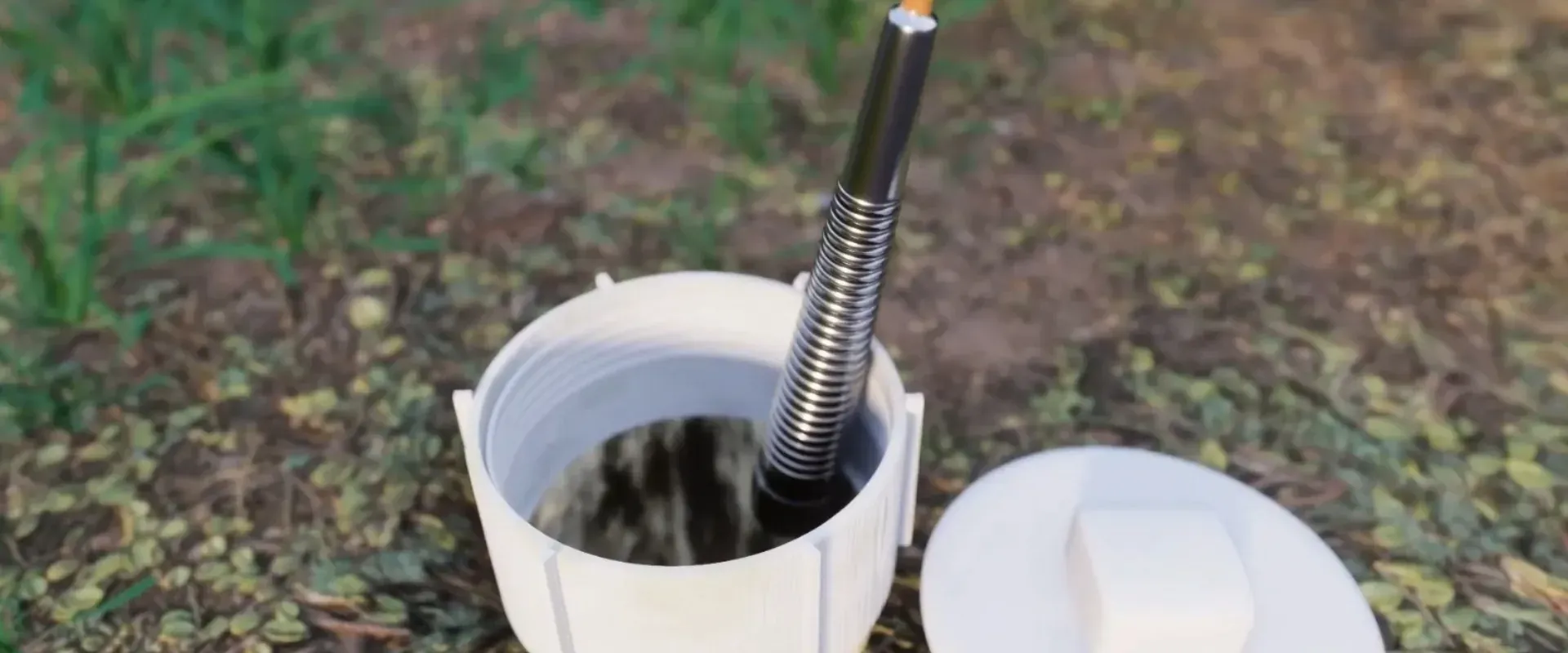
A cleanout is the best door into the line. If the house has none, the plumber works from a pulled toilet or a floor drain.
Cable or jet
A heavy sewer cable cuts through the blockage. Hydro jetting is used when grease or roots have lined the pipe.
Camera
A camera shows if the line is open, cracked or sagging, so a repeat backup can be explained.
Report
You get a plain explanation of what was found. If the video shows damage, we talk through repair options.
Signs of a mainline blockage
A main sewer blockage often announces itself before the backup. These signs usually show on the lowest fixtures first.
Gurgling toilets
Air pushed back through the trap when water drains somewhere else in the house.
Floor drain bubbles
The basement floor drain sits lowest and shows trouble first.
Multiple slow drains
When showers, sinks and the washer all slow together, the shared line is the suspect.
Sewage smell indoors
A stronger smell near the drain or in the basement points to a partial blockage or a dry trap.
Backup only in storms, or on dry days too
When the backup happens is the best clue to who must fix it.
| When it backs up | Likely source | What to do |
|---|---|---|
| Only during heavy rain | Public sewer overloaded, or no backwater protection | Ask about a backwater valve. Clearing the line alone will not stop storm backups. |
| Dry weather, one fixture | Branch line in the house | Clear the branch. See drain cleaning for how. |
| Dry weather, whole house | Main drain or sewer lateral | Clear the lateral and run a camera through it. |
| Returns in a few weeks | Roots, belly or crack | Camera, then discuss sewer line repair. |
| Neighbors report it too | Possible city main blockage | Call Park Ridge Public Works while we clear your lateral. |
Storm drain cleaning: yard drains, window wells and downspout lines
Not every drain that overflows in a storm is a sewer line. Yard drains, driveway drains, window well drains and buried downspout lines carry rain, and they clog with leaves and silt. We clear those with a cable or a jetter and a camera when needed, and only on the property side.
Street inlets and the city's storm lines belong to Park Ridge. If you are not sure who owns a drain, ask the Public Works department before paying to clear it. Where the same pipe carries both storm and sanitary flow, treat it as a sewer backup and call right away.
Prevention before the next storm
A few habits and one inspection cut the odds of a repeat.
- Find your cleanout and keep the cap on tight and the area clear. The city recommends one for inspection access.
- Do not flush wipes, even if the package says flushable. Keep grease out of kitchen drains.
- Spread out laundry loads during heavy rain so the line is not full when the street sewer is.
- Ask about a backwater valve, which blocks reverse flow. Permit rules vary by job, so we confirm with the Park Ridge Building Department.
- Book a sewer camera inspection after any serious backup so you know the condition of the line.
- Check your insurance policy for water backup coverage before the wet season.
Park Ridge note: a combination sewer with a flood record
The Cook County hazard mitigation plan annex for Park Ridge names the city's antiquated combination sewer system as a driver of urban flooding. It records nearly 500 basements flooded on July 23, 2011, federally declared flooding in April 2013 (FEMA DR-4116), and a flash flood on August 7, 2018 with $100,000 in reported property damage. It also lists sewer relining and sewer replacement projects as mitigation work.
Because storm water and household waste share pipes in a combination system, heavy rain can push wastewater back through a home's lateral. Cleaning a clear lateral will not stop that, so a backwater valve is a separate decision. Ask us during the visit, and read about sump pump repair if your basement also relies on a pump.
What decides the cost of sewer line cleaning
Sewer work is priced by the job. A cleanout visit and a long run from a basement drain are not the same task. For your real number, call our 24/7 line.
Most homeowner policies do not cover sewer or sump backup unless you added a water backup endorsement, and clearing the line itself is maintenance. If damage is already done, photograph it and call your insurer before you throw anything out.
Who owns the pipe and which code applies
According to Municipal Code 11-1-6, as the city FAQ summarizes it, the homeowner repairs the sewer lateral up to and including the connection to the sewer main. Repairs follow the Illinois Plumbing Code, 77 Ill. Adm. Code 890, and the city FAQ recommends a cleanout for inspection access.
Frequently asked questions
Yes. Our emergency line is open 24/7, including weekends and holidays. A licensed plumber is sent as soon as the schedule allows, and same-day appointments are available when the schedule permits.
Under Municipal Code 11-1-6 as quoted by the city FAQ, the homeowner repairs the lateral up to and including the connection to the main. The main itself is the city's.
It is a capped pipe that gives a plumber direct access to the sewer line for cleaning and a camera. The city FAQ recommends having one for inspection access.
In a combination system the public sewer can be overloaded by rain, which pushes water back to the lowest drain. A backwater valve is a separate fix, so ask during the visit.
A short plunger on a single fixture is fine. A full backup needs a heavy cable or a jetter, and doing it yourself risks spills and a stuck tool.
The lease and your arrangement with the owner decide that. Call us first if water is rising, and we will document the cause with a camera so everyone sees the same thing.