
Sewer backup: what to do first
Sewage carries bacteria, so treat every wet surface as contaminated. The goal in the first minutes is to stop adding water, protect people and get help on the way.
Water that is still rising is a reason to leave the basement entirely. Once you are safe, tell the plumber what you see so they arrive with the right equipment.
- Stop all water use: no flushing, laundry, dishwasher or showers
- Keep children, pets and anyone with health risks out of the area
- Stay out of standing water if outlets, cords or the furnace are wet, and call an electrician or the utility if unsure
- Open a window for air if it is safe, and do not mix cleaners
- Photograph the water line and damaged items before moving anything
- Call our 24/7 line and describe which drains are backing up
What the pattern tells you
Where the water appears often points to where the blockage sits.
| What you see | Likely location of the problem | Who fixes it |
|---|---|---|
| Only the basement floor drain backs up | Your lateral or main drain | Plumber clears it, then inspects the line |
| Toilets and tubs on the lowest floor gurgle | Blockage in the building drain | Plumber with a cable or jetter |
| Whole neighborhood has water problems after a storm | Public sewer overloaded | City Public Works plus your plumber for protection |
| Backup repeats with each heavy rain | Combination sewer surge or a damaged lateral | Camera inspection, then backwater valve or lateral repair |
| Backup begins during dry weather | Roots, grease or collapsed pipe | Cleaning and camera inspection |
Who owns what in Park Ridge
The city FAQ on parkridge.us quotes Municipal Code 11-1-6: the homeowner repairs the sewer lateral, which is the private house service, up to and including the connection to the sewer main. That means a blockage or break between your foundation and the main is typically your repair.
The same FAQ recommends a sewer cleanout for inspection access and says tree roots do not invade structurally sound sewer pipes. If roots are in your line, that points to a crack or open joint, and a camera shows where.
Need a plumber, not a guide?
Call the 24/7 line. A licensed, insured plumber, a clear price before work starts.
The cleanout and the cleaning
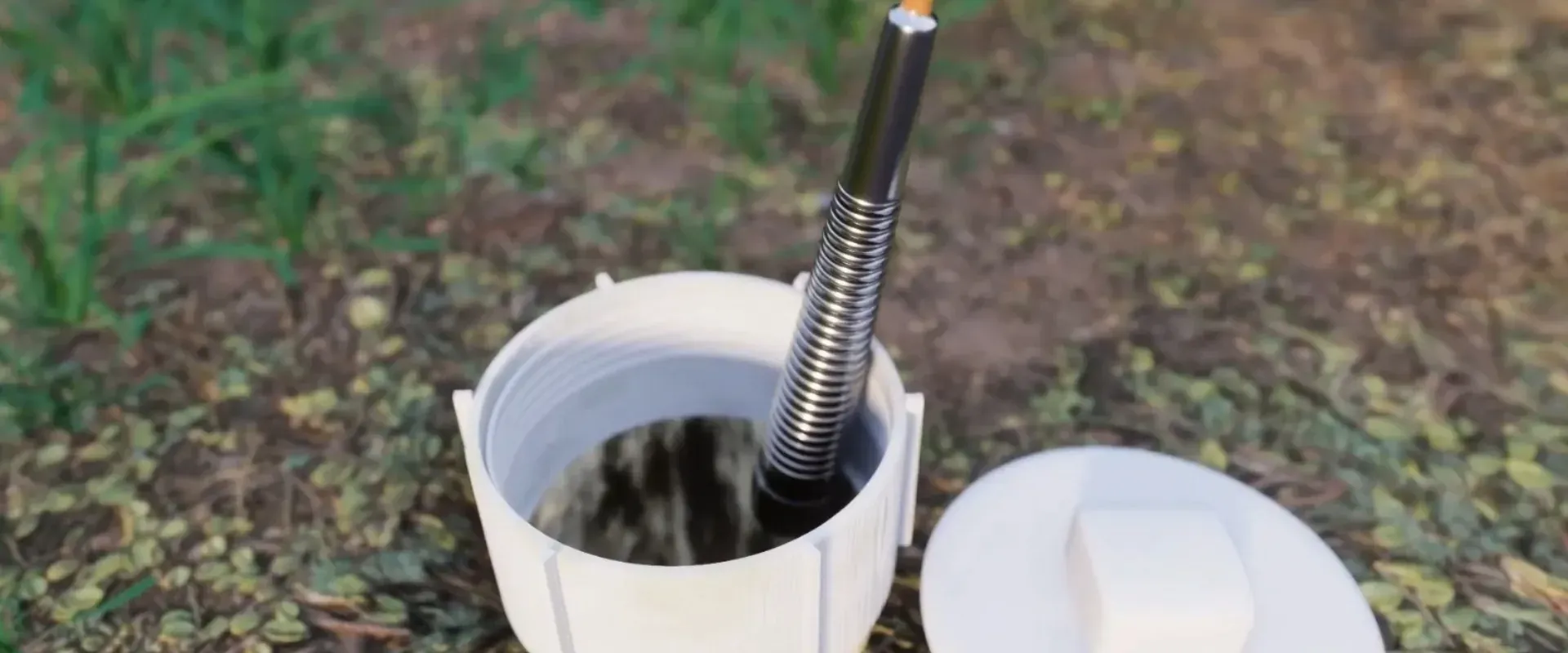
A cleanout is a capped pipe that gives a plumber direct access to the lateral. With one, a cable or hydro jet can clear the line, and a camera can follow it to the main. Without one, the plumber may have to pull a toilet or go through a floor drain, which takes longer and is harder on the fixtures.
After the line is open, ask for a camera pass. A clog that clears once and returns is often a sign of a bellied or cracked pipe, and our sewer line repair crew handles that work.
Overhead sewer or backwater valve
Backwater valve
- A flap installed in the sewer line that closes when sewage flows backward.
- Needs a floor cut and digging, and it must be kept clean and tested.
- Protects fixtures below the valve only if the valve works.
- Less costly than lifting the whole system in many homes.
Overhead sewer
- Basement drains are routed to a sump pit and pumped up to the sewer line above the floor.
- Gravity then keeps street surcharge from reaching the basement.
- Depends on a pump and power, so a backup matters.
- Bigger job, often chosen when finishing a basement or after repeated flooding.
Ask about permits before you protect the basement
Either system touches the sewer connection, so permits matter. The city FAQ says Article 15 of the Municipal Code requires a permit for all plumbing installations or alterations and a certificate of inspection before a new system is used. Permit rules vary by job, so we confirm with the Park Ridge Building Department.
Park Ridge note: why backups here deserve a plan
The Cook County hazard mitigation plan annex for Park Ridge says nearly 500 basements flooded on July 23, 2011. It adds that April 2013 flooding was federally declared (FEMA DR-4116), and that a flash flood on August 7, 2018 caused $100,000 in reported property damage. It describes the city's sewer system as an antiquated combination sewer and lists 17 FEMA repetitive-loss properties.
A combination sewer carries sewage and stormwater in one pipe, so a hard rain can overload it. The plan also lists ongoing sewer relining and sewer replacement in the Northwest Park and Country Club areas. For you, that means sewer backup protection is a reasonable question to ask even if your house has never flooded.
What shapes the cost of fixing and protecting
Cleaning a clog, repairing a lateral and installing a backwater valve are three very different jobs. For your real number, call our 24/7 line.
Most homeowner insurance does not pay for sewer or water backup unless you have added a sewer-backup endorsement, so check your policy before you need it. Ask your agent about coverage limits and whether failed sump pumps are included.
After the water is gone
- Ask the plumber for a camera inspection of the lateral.
- Have the cleanout located and marked.
- Discard porous items touched by sewage, such as carpet pads and boxed goods.
- Disinfect hard surfaces and dry the area quickly.
- Report the loss to your insurer with your photos.
- Ask about a backwater valve or overhead sewer for next time.
Neighbors in nearby towns
Basements in Des Plaines and Mount Prospect can face similar backups after heavy rain, and the first-hour steps are the same. Stop the water, protect people and get the line checked.
Frequently asked questions
Yes, if sewage is rising or you cannot stop it. Stop water use and call right away, since contamination spreads and damages floors, drywall and stored items.
Usually only with a sewer-backup endorsement. A standard policy often excludes it, so read your policy and ask your agent.
The city maintains the sewer main, while the homeowner repairs the lateral up to and including the connection per Municipal Code 11-1-6 as quoted by the city FAQ. A plumber can tell you which side the blockage is on.
Small spills on hard surfaces can be disinfected with gloves and ventilation. Large spills, soaked drywall or a wet furnace call for professional cleanup.
It should be opened and tested on a schedule, since debris can hold the flap open. A plumber can inspect it and the cleanout.
A repeat backup after storms fits the combination sewer pattern in the hazard plan, but it can also be a damaged lateral. Get a camera inspection, then ask about a backwater valve and a permit.